About Us
From a small plot on the banks of the Orange River to 220 hectares of vineyard, built up block by block in the desert.
Our Story
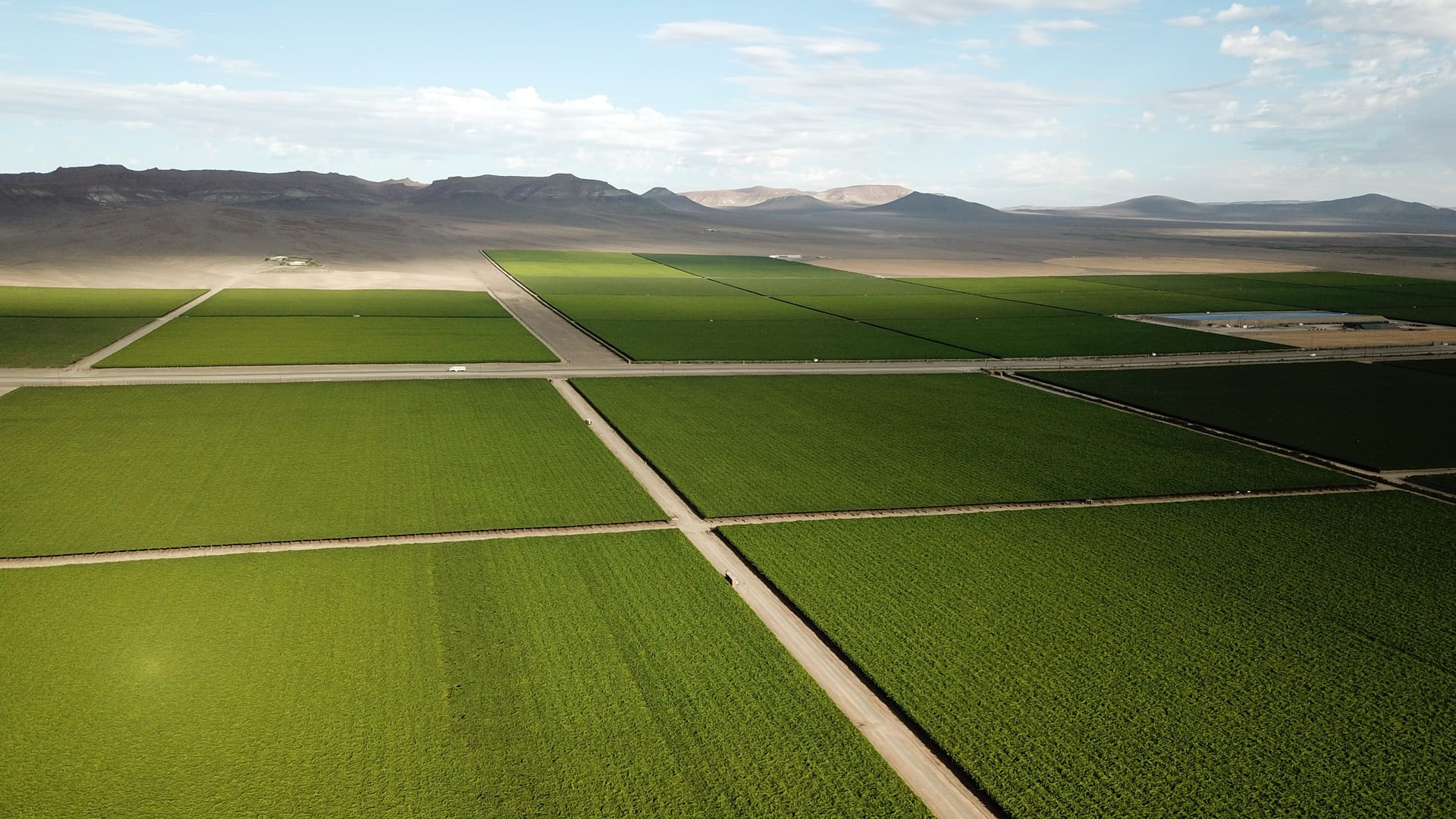
ORVI — Orange River Vineyards Investment — was founded in 2001 with a small piece of land in the Aussenkehr valley in southern Namibia. The valley has what table grapes need: an isolated desert climate, more than 300 days of sunshine a year, water from the Orange River, and almost no rain during the harvest months.
That combination allowed us to do something valuable for our customers. Our fruit ripens from early November to early January, filling the gap in the market that exists around December, when supply from other origins is at its lowest.
We have grown gradually ever since, expanding the planted area and replanting older vineyards with new cultivars as market demand shifted and better varieties became available. Today ORVI farms 220 hectares under vine and employs around 50 permanent staff, rising to around 900 people during the harvest.
Building in the Desert
The valley is generous to grapes and hard on everything else. These are the conditions we had to solve for.
A Remote Location
Aussenkehr sits far from the nearest towns and services. Getting people, equipment and inputs to the farm, and fruit off it, had to be solved before anything else.
Extreme Heat
Summer temperatures in the valley are punishing. The same heat that makes our grapes sweet also dictates how and when we work, and how quickly fruit has to be cooled.
Little Infrastructure
Aussenkehr is thin on infrastructure. Our own roads, buildings, cold storage and power supply had to be established and then steadily expanded.
Skilled Labour
Table grape farming is a skill. Finding and then training people locally has been a long-term investment, and remains central to how we operate.
River Water Quality
The Orange River carries a high load of suspended solids. Managing that has shaped our irrigation infrastructure from the beginning.
Grid Power Supply
A reliable supply for pumps and cold rooms cannot be taken for granted here. That is one of the reasons we invested in our own solar generation.
Always Improving
We keep investing in the farm, technically and socially. A few of the steps along the way.
The First Vines
ORVI starts with a small piece of land on the banks of the Orange River in Aussenkehr.
Orvignac Brandy
A selection of each year's harvest is set aside for distillation, matured in oak barrels. Orvignac production begins.
SIZA Social
Independent verification of our social and labour practices through the SIZA programme.
SIZA Environmental & LEAF
SIZA Environmental certification with the LEAF Bolt-on, covering our environmental management on the farm.
Ongoing Expansion
A 370 kWp solar installation for our water pumps and cold rooms, additional cooling capacity, staff housing, our own crèche, and a new irrigation system to cut water consumption and improve efficiency.
People and Resources
A farm this remote only works if the people on it are looked after, and the resources it depends on are used carefully.
57 Homes on the Farm
Housing is available on site for our staff members, part of making Aussenkehr a place where people can build a working life.
Our Own Crèche
We run a crèche on the farm for the children of our staff members.
370 kWp Solar
Our solar PV installation powers the water pumps and cold rooms, the two things this farm cannot operate without.
Irrigation Efficiency
We are investing in a new irrigation system to reduce water consumption and increase efficiency across the vineyards.
Part of a Wider Group
ORVI is owned by the Transworld Group, and our export logistics are handled by our affiliated company, Transworld Cargo (opens in a new tab). That connection is a practical advantage for our customers: the people moving the fruit and the people growing it answer to the same organisation.
The same grapes are also behind Orvignac, our oak barrel matured Namibian brandy. Production began in 2009, using a special selection from each year's harvest. That fruit is pressed and fermented, distilled in a small copper pot still, then left to rest in French oak for at least three years.
Come and See for Yourself
Farm visits are possible for clients and partners. Arrange yours in advance and we will show you the vineyards, field packing and cold-storage facilities.
Get in Touch